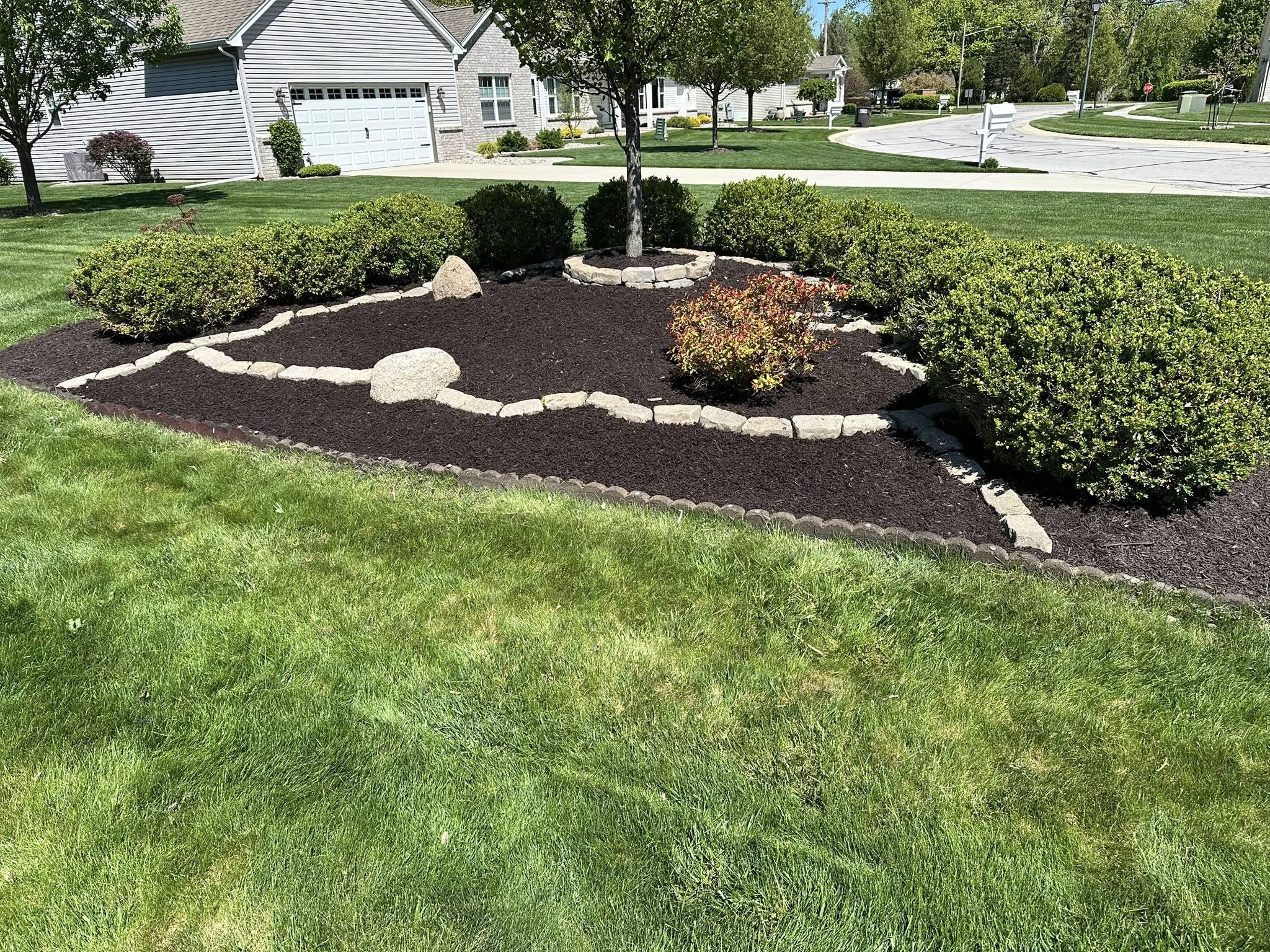
From Blueprint to Bloom: A Comprehensive Guide to Seasonal Garden Planning Oct 27, 2026
Understanding your landscape's unique characteristics is the first step in seasonal garden planning. Take note of factors such as sunlight exposure, soil type, and natural water drainage. This foundational knowledge will inform your plant selection. For gardens in colder climates, consider perennials that can withstand harsh winters. Warmer areas might benefit from drought-resistant plants that can handle extended sunshine.
As you sketch your blueprint, think of your garden layout. Planning ahead will help you leverage focal points, such as a graceful statue or a bubbling water feature. These elements draw the eye and create visual interest. Use pathways to guide foot traffic and ensure accessibility, while also providing structural definition to your garden.
Timing is everything in gardening. To capture the best blooms, plant bulbs in the fall while the ground is still workable. This ensures a vibrant spring display once temperatures rise. Summer-loving plants, like petunias and zinnias, should be planted after the last frost, when soil temperatures have warmed sufficiently. Come autumn, complement your garden with late bloomers like chrysanthemums, which thrive in cooler temperatures and provide bursts of color as summer fades.
Soil preparation cannot be overstated. A well-draining, nutrient-rich soil is crucial to plant health. Test your soil to understand its composition and amend it with organic matter or fertilizers when necessary. Regular aeration and mulching will also aid in maintaining optimal soil conditions, preventing weeds, and retaining moisture.
When planning your seasonal garden, balance aesthetics with practical maintenance. Choosing native plants can significantly reduce the requirement for water and fertilizers, as these plants are already adapted to local conditions. Native plants also contribute to biodiversity, supporting local pollinators and wildlife.
Layering plants according to their height not only adds depth but ensures that each plant receives adequate sunlight. Place taller plants, like sunflowers or ornamental grasses, towards the back or center, with mid-size plants in front, followed by ground covers or shorter blooms.
Water management is another pivotal aspect of garden maintenance. Install a smart irrigation system to conserve water. Utilizing mulch or pebbles around plant bases helps retain moisture and can significantly reduce water needs during dry spells.
In addition to traditional gardening techniques, consider integrated pest management to maintain plant health. Encouraging beneficial insects, such as ladybugs and bees, can naturally reduce harmful pests without the need for chemical pesticides.
Finally, remember that a garden is a living, evolving space. Regularly assess your garden throughout the seasons. Take note of what works and what doesn’t, ready to make adjustments as needed. Keep a journal or digital planner to track your garden's progress and refer back to it for future plans.
As your garden blooms, it becomes not only a personal sanctuary but also a reflection of the hard work and care you have invested. At Sargent's Lawn and Property Maintenance LLC, we're ready to assist you at every stage—from blueprint to bloom—ensuring your garden is both beautiful and sustainable throughout every season.
