From Planters to Planes: Crafting Multi-Level Landscapes for Dimension Sep 29, 2026
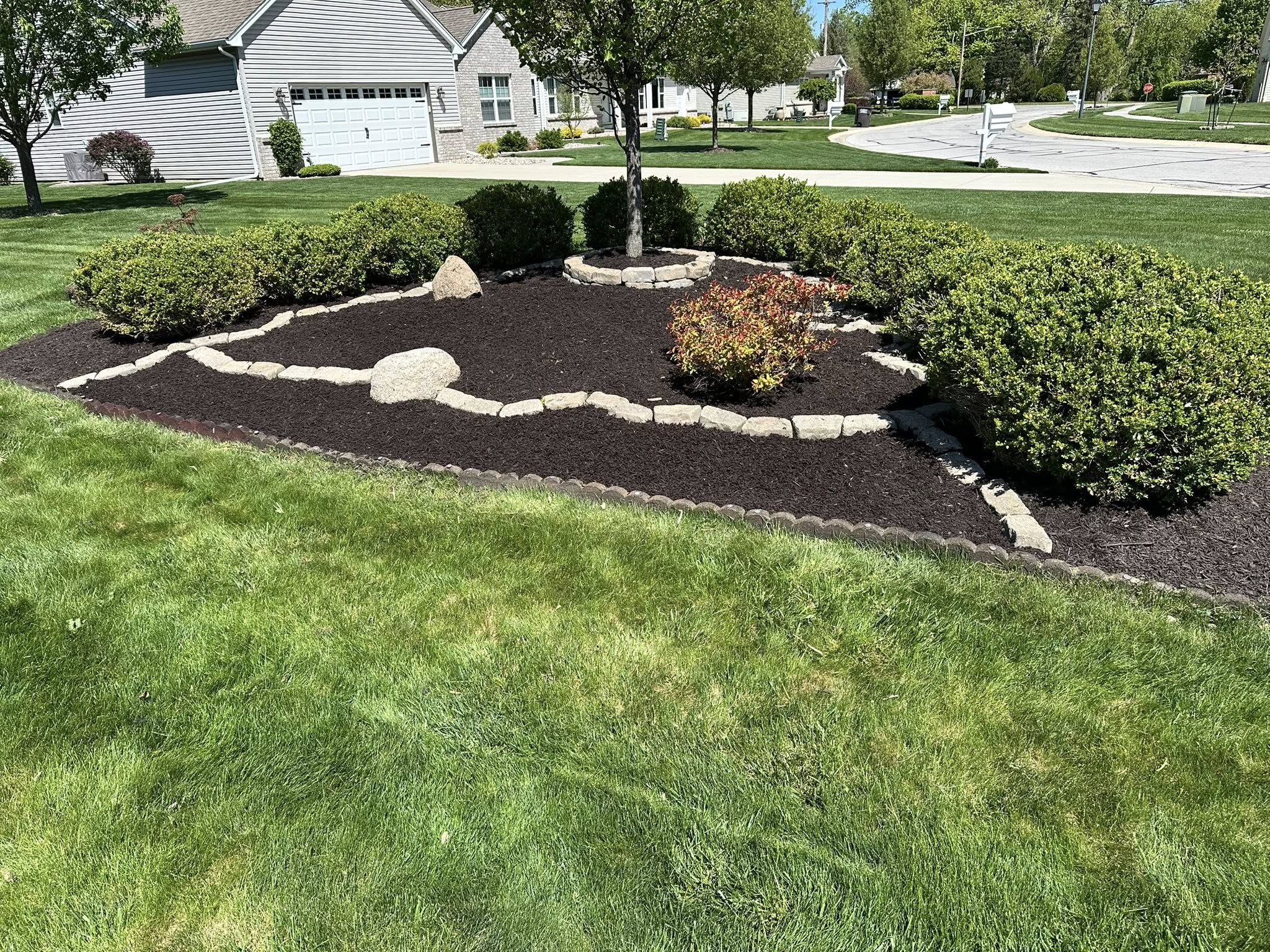
Multi-level landscaping, at its core, involves crafting different elevations within your garden to create visually striking and functional spaces. This technique can include raised planters, terraces, retaining walls, and even artful use of natural inclines. It's an approach that accommodates varying plant species, maximizes light exposure, and creates distinct garden zones for diverse uses.
Starting with planters, raised garden beds are an excellent entry point into multi-level landscaping. They provide numerous practical benefits, such as improved drainage, better control over soil quality, and easy access for planting and harvesting. Beyond functionality, elevated planters add structure and interest, allowing for creative plant arrangements that draw the eye upward. This not only enhances the visual appeal but also serves to delineate different areas within your garden, facilitating both aesthetic and functional diversity.
Progressing from planters, terraces and retaining walls introduce more significant levels to your landscape. Incorporating these features into a sloped yard can turn what might seem like a limitation into an opportunity. Terraces provide flat, usable surfaces while retaining walls can create striking backdrops for both plantings and hardscape elements like seating or water features. Beyond aesthetics, these structures serve vital functional roles in erosion control and water management, especially important in areas prone to heavy rainfall.
One of the key elements to consider when crafting multi-level landscapes is plant selection. Choose a varied assortment of plants based on height and texture to reinforce the layered effect. Taller shrubs or trees at the back, mid-sized plants in the middle, and ground-level flowers or creeping covers at the front create a cascading effect. This thoughtful arrangement not only ensures every plant receives adequate sunlight but also maximizes the visual impact, making your garden feel lush and expansive.
As you contemplate your multi-level design, it's essential to consider pathways and access points as well. Navigational elements such as stairs, stepping stones, or gently sloped paths ensure that each level is accessible for use and maintenance. These elements should be well-integrated into the overall design, ensuring safety without compromising the aesthetic integrity of your landscape.
Finally, crafting multi-level landscapes is not solely about the visual allure. Consider incorporating functional spaces at different levels to increase the utility of your garden. Elevated decks or patios offer tranquil viewing platforms, while sunken areas can create intimate conversation spots sheltered from the wind. Thus, every plane of your landscape isn't just an afterthought but a carefully planned aspect of your outdoor living space.
In conclusion, transitioning from planters to multi-level landscapes offers endless possibilities for creativity and functionality. At Sargent's Lawn and Property Maintenance LLC, we pride ourselves on bringing your landscape dreams to life. A thoughtful multi-level design transforms your garden, making it a spectacular, dynamic space that invites exploration and enjoyment. Whether you're looking to solve practical issues or simply crave a bit of beauty in your daily life, elevating your landscape is the key to unlocking your property's potential.
/filters:no_upscale()/filters:format(webp)/media/74c6e5db-99ec-4b83-9e03-6e80fe911f91.jpeg)