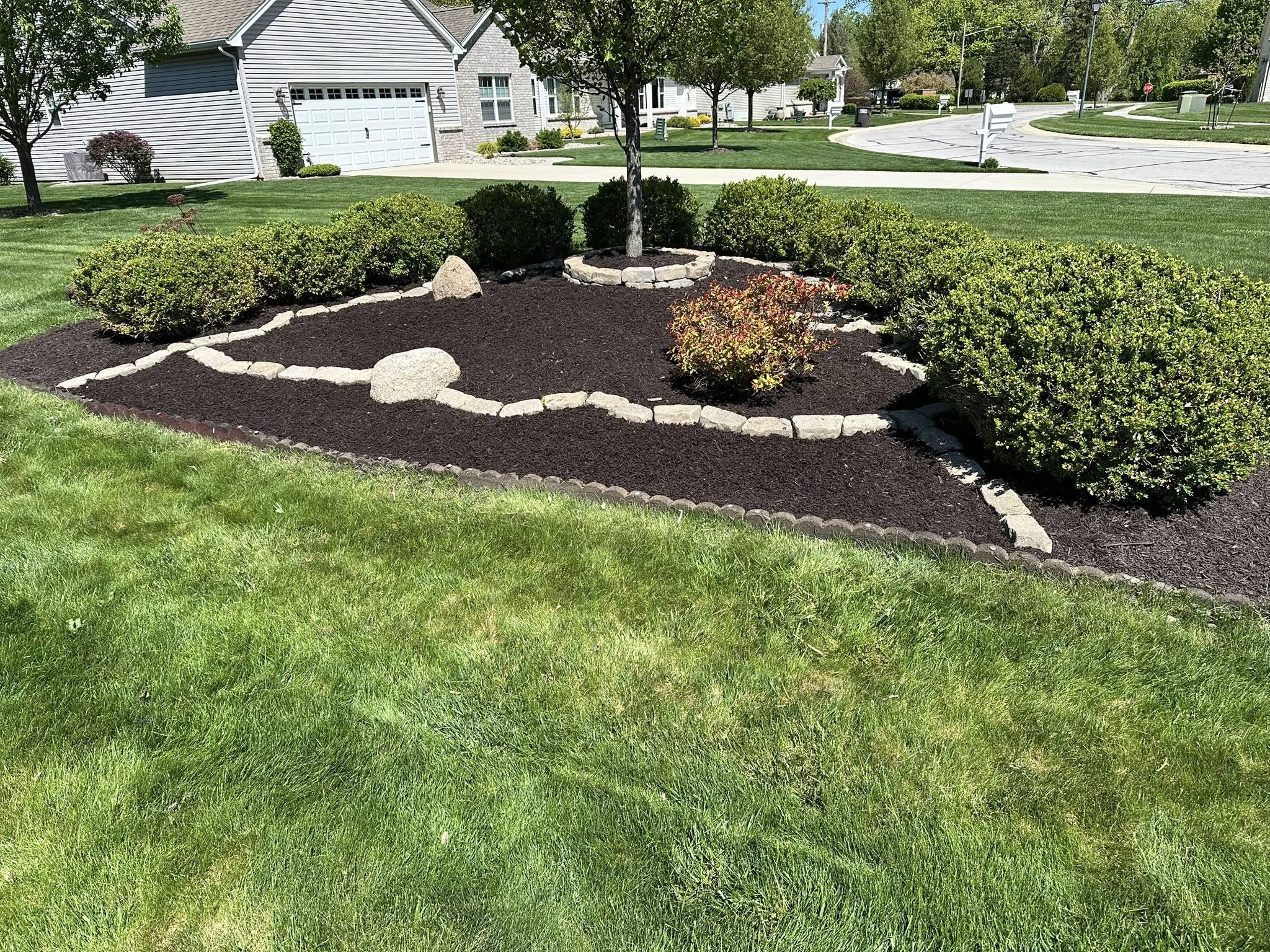
Rain Gardens: A Beautiful Solution for Sustainable Water Management Nov 15, 2026
A rain garden is a strategically designed garden that collects and absorbs rainwater runoff from impervious surfaces such as roofs, driveways, and sidewalks. These gardens are shallow depressions that are filled with native plants and perennials that thrive in moisture-rich conditions. By using native plants, rain gardens promote biodiversity and provide a habitat for local wildlife, such as birds and pollinators. This makes them an attractive feature for homeowners looking to improve the ecological health of their property.
The benefits of rain gardens extend beyond their visual appeal. They are instrumental in reducing flooding and erosion by slowing down the flow of rainwater. This process allows water to percolate into the ground rather than flowing into storm drains, which can lead to overwhelmed municipal water systems and polluted waterways. For businesses and homeowners alike, investing in a rain garden can mean contributing to the reduction of water pollution while preserving local aquatic ecosystems.
Rain gardens also serve as natural filters, trapping sediments and pollutants that would otherwise end up in local water bodies. The plant roots absorb excess nutrients and chemicals, breaking them down into less harmful substances. This not only enhances the quality of nearby water sources but also helps in maintaining cleaner air by absorbing carbon dioxide. In turn, rain gardens become an essential part of a responsible approach to property management.
To create a rain garden, selecting the right location is key. Ideally, it should be positioned near your property's runoff source, but at least ten feet away from building foundations to prevent flooding. The garden should also be located in full sun to partial shade, ensuring that the plants can thrive. Our experts at Sargent's Lawn and Property Maintenance LLC can assist you in assessing the best site and soil conditions for optimal rain garden performance.
Once the location is determined, choosing a diverse mix of plants that can withstand both dry and wet periods is critical. Native species are often preferred because they are well-adapted to local climate conditions and require less maintenance. Plants such as cardinal flowers, black-eyed Susans, and switchgrass are excellent choices for Midwestern rain gardens, providing seasonal color and structure.
Implementing a rain garden on your property is not just an environmental statement, but also a practical investment in sustainability. It decreases your water bill by minimizing the need for supplemental irrigation and offers a cost-effective alternative to traditional stormwater management systems. Moreover, the enhanced curb appeal and property value that a beautifully designed rain garden provides are added incentives.
In conclusion, rain gardens are a simple yet impactful way to manage stormwater on your property while contributing positively to the environment. By choosing to integrate a rain garden, you are stepping towards a more sustainable lifestyle with the added benefit of a flourishing, vibrant garden space. At Sargent's Lawn and Property Maintenance LLC, we are ready to help you transform your landscape into a beautifully functioning rain garden that supports both nature and your community.
