The Role of Texture in Landscape Design: Creating Depth and Interest with Hardscaping and Planting Choices May 26, 2026
Texture, in landscape design, refers to the surface quality of a material perceived both by touch and sight. In a garden, this can range from the rough bark of a tree to the smoothness of polished stone. Incorporating various textures is crucial for creating a dynamic and engaging environment. It ensures that your outdoor space is not only beautiful to look at but also intriguing to experience.
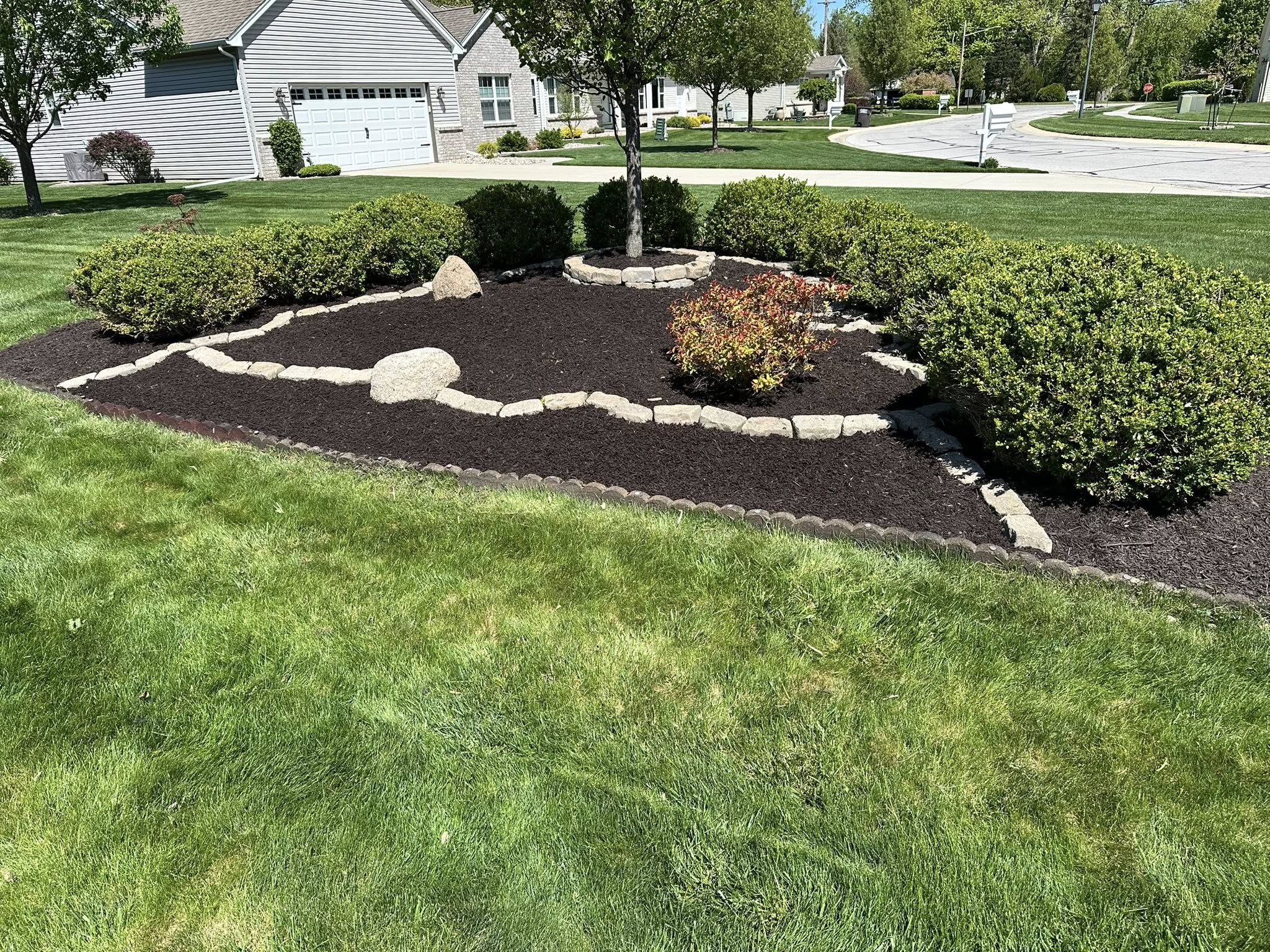
When it comes to hardscaping, texture plays a pivotal role. Hardscaping refers to the non-plant elements of a landscape, such as patios, walkways, and retaining walls. Choosing materials with different textures can help define spaces within your garden. For instance, combining a sleek stone pathway with a rustic wooden bench creates contrast and interest. Similarly, a textured brick retaining wall can complement the soft foliage around it, providing both function and aesthetic charm.
Sargent's Lawn and Property Maintenance LLC recommends experimenting with hardscaping textures to see what works best for your landscape. Stone pavers, gravel paths, and wooden decks each bring their texture, influencing the overall feel of your space. It's important to consider how these materials age and interact with other elements in your garden. Over time, weather and environment can naturally alter textures, creating opportunities for new design elements and adjustments.
Plants, too, play a significant role in adding textural variety to your landscape. Different plant textures, such as the feathery grace of ornamental grasses, the dense, lush leaves of hostas, or the spiky allure of succulents, can drastically change the feel of a garden. These textures influence visual perception, drawing the eye and guiding movement through the space.
When selecting plants, it's beneficial to think about how they will interact with existing hardscaping elements. For instance, placing soft, flowing plants next to sharp stone edges can create a pleasing balance, making each element stand out more vividly. Beyond aesthetics, textural diversity in plants also attracts wildlife, enhancing the ecological balance of your garden.
To effectively incorporate texture into your landscape design, consider the entire sensory experience. Texture affects more than just sight—it influences how we feel in a space. Smooth, sleek surfaces may evoke a feeling of modernity and sophistication, while rough, natural elements might bring comfort and warmth. At Sargent's Lawn and Property Maintenance LLC, we pride ourselves on crafting landscapes that resonate with our clients' personal styles and environmental conditions.
In conclusion, the thoughtful integration of texture in landscape design can transform your yard into a captivating and functional masterpiece. By artfully combining hardscaping materials with a diverse range of plants, you can create a textured landscape that offers depth, interest, and year-round appeal. If you're ready to explore the possibilities of texture in your landscape, contact Sargent's Lawn and Property Maintenance LLC for expert guidance and personalized service. Together, we can cultivate a garden that not only enhances the beauty of your property but also enriches your outdoor living experience.
/filters:no_upscale()/filters:format(webp)/media/74c6e5db-99ec-4b83-9e03-6e80fe911f91.jpeg)